How to find ayahuasca integration support near you
Start with the Ayahuasca Integration Alliance directory. Every practitioner listed has been reviewed against practitioner standards — training, supervision, ethics, and lived plant-medicine literacy. You can filter by location, modality (coaching, therapy, somatic work, facilitation), and online/in-person availability. Many practitioners offer both — a local anchor session in person, ongoing work over video.
If the directory does not yet have someone in your city, expand the search. Ask three questions in this order: is there someone in your metro area? In your country? Online, in your language and time zone? For most people, the third option is more available and often more skilled than what is nearby.
For circles specifically, see the integration circles page. Circles run online in twelve time zones and in-person in most major cities. A weekly online circle plus an occasional in-person one is a common and sustainable rhythm.
Cities and regions with strong integration communities
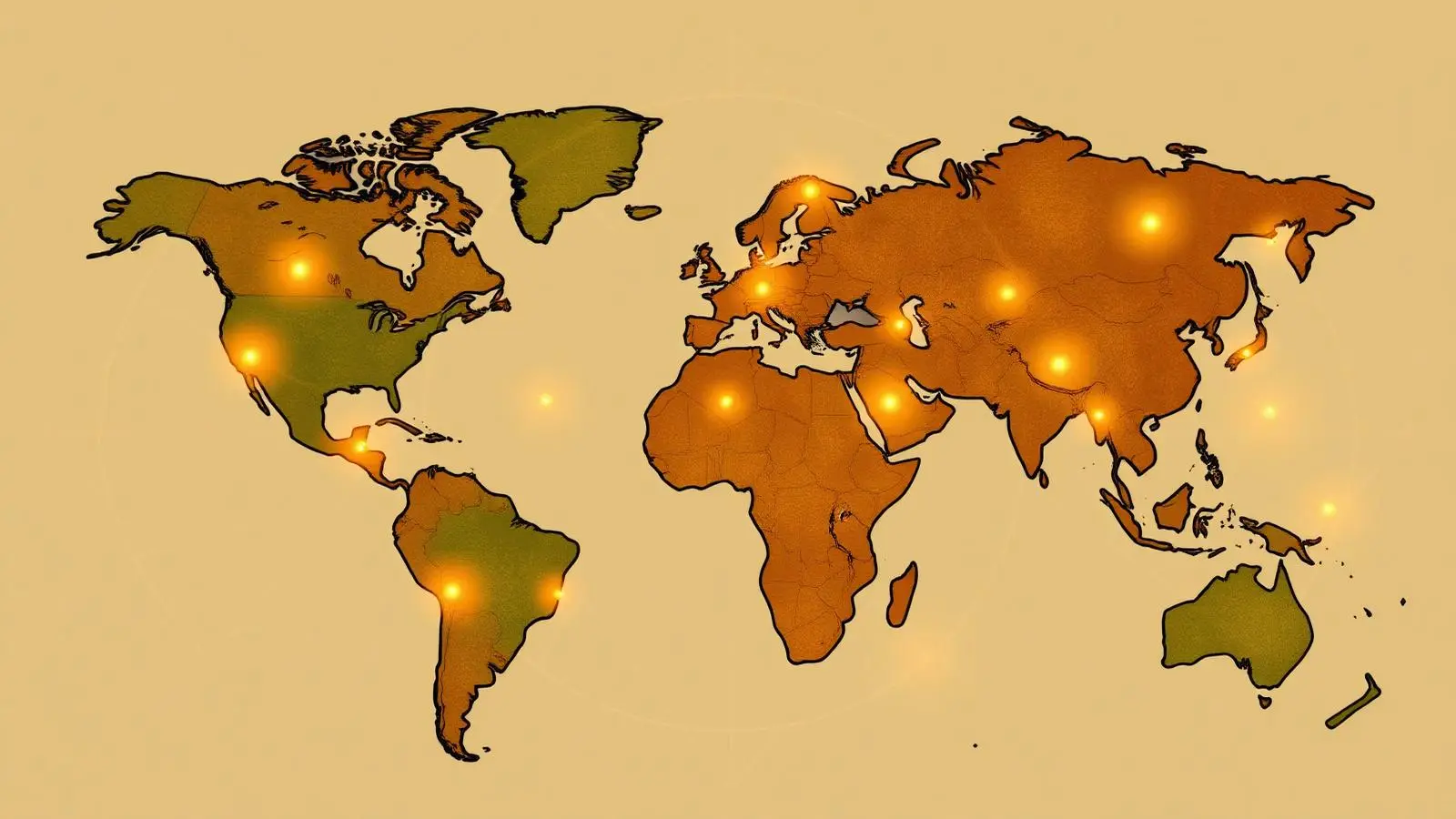
In-person circles and 1:1 practitioners are most concentrated in the following areas. Directory listings update weekly — check for the current picture.
- North America: New York, Los Angeles, San Francisco Bay Area, Portland, Seattle, Austin, Denver, Boulder, Chicago, Toronto, Montreal, Vancouver, Mexico City.
- Europe: London, Amsterdam, Berlin, Barcelona, Madrid, Lisbon, Copenhagen, Zurich, Dublin, Paris, Prague.
- Latin America: Medellín, Bogotá, Iquitos, Cusco, San José, Tulum, Buenos Aires, São Paulo.
- Oceania: Sydney, Melbourne, Byron Bay, Auckland, Wellington.
- Asia-Pacific: Bali, Chiang Mai, Tokyo.
- Everywhere else: strong online options in most major world time zones.
When online integration is actually better than local
It is worth challenging the assumption that local is always better. For most integration work — coaching, most therapy modalities, all circles — online is at least as effective as in-person, and often better. The reasons are practical.
Specialisation. The best psychedelic-informed IFS therapist in your language may not live in your city. Online means you can work with the right person, not just the nearest person.
Consistency. Sessions from your own home mean you actually show up. No traffic, no cancelled sessions because of weather or work, no post-session public transport when you are open and porous. This matters for integration in particular.
Container integrity. Being in your own space keeps the integration work embedded in the environment where you actually live. Insight travels better when it is worked in the room where it will be lived.
The strongest case for in-person is somatic work (Somatic Experiencing, some bodywork) and initial trust-building with a new practitioner. Everything else translates cleanly to video. A common well-fit setup is one in-person anchor practitioner or circle, plus one online specialist chosen for skill regardless of geography.
What to look for in a local practitioner
The vetting questions are the same whether they are down the street or across the world.
- Formal training in coaching, therapy, or facilitation — not just personal ceremony experience.
- Plant-medicine literacy: they know what ayahuasca actually does, in specific terms.
- Ongoing supervision or peer consultation.
- Clear scope: they know what they do and do not treat, and refer out when appropriate.
- Ethical framework in writing — confidentiality, consent, physical touch, dual relationships.
- Track record: they can name the kind of client they work best with, and the kind they refer elsewhere.
- A free 20-minute consult so you can check fit before you commit.
Local in-person circles vs online circles
Both have value. Many practitioners recommend using both.
| In-person local circle | Online circle | |
|---|---|---|
| Strengths | Somatic co-regulation, shared silence, ritual space, ongoing local community. | Access to specialised facilitators, consistency, no commute, wider peer diversity. |
| Best for | Ongoing embodied rhythm; anchoring integration in a physical place. | Specific themes (grief, trauma, facilitator community); accessibility. |
| Frequency | Weekly or fortnightly. | Weekly, often themed by month. |
| Cost | Free to $30 per session. | Usually free or by donation. |
Search the directory now
Filter by your city, your country, your modality, or search worldwide for the best specialist match. Every listed practitioner is vetted against Alliance standards.
Frequently asked questions
Related deep-dives
Keep reading
Ayahuasca Integration: The Complete Guide
The pillar on what integration is, the four phases, and ten practices.
Professionals Directory
Filter vetted coaches, therapists and facilitators by location, modality and language.
Integration Circles
Free weekly circles, online and in-person, in twelve time zones.
Ayahuasca Integration Retreat
For deeper in-person work — retreats that build integration into the format.
Find your people, wherever you are.
Three places to start: