
Opening
The Games We Play After Ayahuasca
How revelation becomes avoidance, identity, projection, spiritual certainty, and the ordinary work of integration.
Did you know that all of us play games in healing and transformative work?
The people who insist that they never play games may be playing one of the most protected games of all: believing they have somehow moved beyond the human material they came here to heal.
You have probably seen these patterns.
A person drinks ayahuasca for the first time and returns ready to explain consciousness, God, trauma, and the future of humanity. Someone receives a powerful vision and treats it as an unquestionable command. Healing becomes a performance. Vulnerability becomes a new identity. A participant is triggered by someone in the ceremony space and becomes absolutely certain that the other person is the problem. Another ceremony is booked before the changes requested by the previous ceremony have entered daily life.
These are some of the games we play after ayahuasca.
By game, I do not mean that someone is consciously lying or manipulating others. Most of these patterns are not deliberate. They are protective strategies that help us regulate shame, uncertainty, fear, loneliness, vulnerability, and the loss of control. Many of them once served an intelligent purpose. They may have helped us survive unstable homes, preserve attachment, avoid punishment, receive attention, maintain belonging, or keep overwhelming emotions outside conscious awareness.
The difficulty is that a strategy can continue operating long after the conditions that created it have passed.
Avoidance begins calling itself intuition.
Grandiosity calls itself spiritual authority.
Projection calls itself energetic discernment.
Compulsive helping calls itself service.
Emotional withdrawal calls itself detachment.
Impulsivity calls itself divine guidance.
The content of ayahuasca experiences varies enormously. People encounter different visions, memories, emotions, spiritual realities, and forms of meaning. Yet the ways we organize ourselves around intensity are often remarkably consistent. We escape, perform, explain, rescue, compare, withdraw, rebel, search, externalize authority, and punish ourselves.
One early attempt to name recurring psychedelic behavior appeared in Lisa Bieberman’s Session Games People Play: A Manual for the Use of LSD, produced during the 1960s psychedelic movement. The manual was not a modern clinical framework, but its central observation remains useful: altered states may be highly individual, while the defensive and relational strategies surrounding them are often recognizable.
Modern research generally describes psychedelic integration as an active process through which a person reflects on an experience and brings what is useful into the emotional, cognitive, bodily, relational, spiritual, and practical dimensions of life. Researchers have even distinguished between feeling integrated and actively engaging in integration, because the internal conviction that something has changed is not identical to sustained behavioral change.
You can feel transformed without having changed how you speak.
You can understand your abandonment wound while continuing to abandon yourself.
You can experience forgiveness without making repair.
You can receive a vision of your purpose without building the structure required to serve it.
You can feel universal love in ceremony while continuing to treat the people closest to you with contempt.
Psychological flexibility may be one of the processes that helps an ayahuasca experience become useful. It refers to the capacity to remain in contact with difficult thoughts, sensations, and emotions without automatically organizing behavior around escape. A prospective study of ceremonial ayahuasca use found associations between changes in psychological flexibility, cognitive reappraisal, and mood, although the observational design cannot prove that ayahuasca caused those changes in every participant.
This gives us a useful question:
Has the experience increased your capacity to meet reality, or has it given you a more spiritual way to avoid it?
A note before we begin
Consent is an ongoing practice
Before exploring any of these patterns, something needs to be said clearly.
Not every withdrawal is avoidance.
Not every criticism is projection.
Not every desire to leave is resistance.
Not every angry participant is refusing the medicine.
A participant must remain free to ask for support, decline an intervention, refuse touch, move away from another person, step outside, or end their participation. Consent is not a form signed before the retreat. It is an ongoing practice of communication, choice, respect, and bodily autonomy.
Trauma-informed models emphasize safety, trust, transparency, collaboration, empowerment, and choice. These principles are particularly important in altered states, where a participant may be emotionally exposed, physically disoriented, and more influenced by the authority of the people holding the space.
A facilitator should never tell someone that their no secretly means yes, that their discomfort proves they need more pressure, or that their wish to leave is simply the ego resisting transformation.
At the same time, respecting the right to leave does not prevent compassionate inquiry into the impulse to leave. Once immediate safety has been established, we can become curious. Is something genuinely unsafe in the environment? Has the intensity of the inner process activated a familiar protective strategy? Are both happening at the same time?
Mature integration keeps two questions together:
What is happening around me that requires attention?
What is happening within me that deserves understanding?
Sometimes another person has crossed a boundary.
Sometimes your history is shaping how you perceive the moment.
Often both are true.
The purpose of naming these games is not to diagnose anyone or place ourselves above their process. It is to make the pattern visible without collapsing into shame. When someone can say, “This may be one of my games,” a small amount of space appears. They do not need to destroy the pattern. They simply do not have to remain completely identified with it.
There is no final stage at which the games disappear.
You can meditate for decades, study enlightenment, lead retreats, sit alone in the jungle, or live on a mountain. Parts of you will still seek control, recognition, protection, and certainty. The fantasy that you have escaped all games is itself another game.
What changes is your relationship with them.
Awareness does not automatically heal a pattern, but awareness creates choice.
That is where this article begins.
Chapter 01
The Escape and Avoidance Game

The Escape and Avoidance Game is the tendency to move away from an uncomfortable inner experience when emotional intensity rises. It may involve physically leaving, becoming numb, intellectualizing, focusing on external irritations, caring for other participants, joking, sleeping, or mentally disengaging. The behavior is not necessarily conscious, and it should never automatically be interpreted as resistance. It is often a protective response shaped by the nervous system’s previous experience of fear, helplessness, or overwhelm.
This distinction is essential because a participant who suddenly feels unsafe must remain free to step out. Nobody should be physically restricted, spiritually pressured, or told that their wish to leave proves they need to stay. The possibility that avoidance is occurring can be explored only after the person’s freedom, physical safety, and consent have been protected.
At the same time, the right to leave does not prevent us from asking whether something familiar is happening. Is the person responding to an actual problem in the environment, or has the intensity activated a protective strategy they also use elsewhere in life? Both questions matter. Integration becomes dangerous when every uncomfortable reaction is treated as resistance, but it also remains incomplete when we never examine how fear influences our choices.
In ceremony, avoidance may initially appear to be about the room. The music feels wrong, the smoke becomes irritating, another participant is making too much noise, or the temperature suddenly feels unbearable. Any of these conditions may genuinely require attention. Yet sometimes the external complaint becomes unusually urgent at the precise moment when a difficult emotion, memory, or bodily sensation is beginning to emerge.
I have experienced this with flutes, drums, crying, screaming, smoke, and the intensity of other people’s processes. There have been moments when everything in me wanted the sound to stop. Sometimes I genuinely needed less stimulation. At other times, the sound had become the object onto which I placed my fear of losing control. The difference was not always immediately obvious. I had to slow down enough to ask whether I needed protection from the environment or support in remaining present with myself.
Avoidance is usually not laziness or a failure of courage. It is an attempt to create safety.
A person who grew up in an unpredictable or abusive environment may have learned to disconnect from feeling because emotional contact was too dangerous. They may have survived by becoming quiet, invisible, humorous, analytical, useful, or intensely focused on everyone else. These strategies can remain active long after the original danger has passed. When emotional intensity rises in ceremony, the body may use the same response.
The body is not deliberately obstructing healing. It is applying an old solution to a new situation.
Numbness is one expression of this game. A participant may say that nothing is happening, that the medicine is not affecting them, or that they cannot feel anything. This can become painful when everyone around them appears to be having dramatic visions and emotional releases. Yet numbness should not be treated as an absence of material. Numbness may be the material itself.
Instead of forcing emotion, it can be more helpful to explore the qualities of the numbness. Does it feel heavy, cold, blank, distant, compressed, or exhausted? Is there one place in the body that feels slightly different? What happens when the person stops demanding that they feel something else?
The moment numbness can be observed with curiosity, a relationship with the experience has already begun.
The Escape and Avoidance Game can also continue after ceremony, although it may become more difficult to recognize because it resembles commitment to healing. A person may research every detail of the experience, repeatedly tell the story, become intensely productive, or quickly book another ceremony. None of these actions is inherently avoidant. Research can be useful, sharing can be healing, and another ceremony may eventually be appropriate.
The question is what function the activity serves.
Are you moving closer to the emotional and practical meaning of the experience, or building activity around it?
There is a difference between processing grief and constructing an intellectual architecture around grief. There is a difference between implementing an insight and speaking about it every day. There is a difference between rest and disappearance.
This is where integration becomes more demanding than ceremony. The ceremony may reveal that a relationship is unhealthy, that the body needs rest, that grief has never been allowed, or that meaningful work has been postponed. Avoidance begins when we continue circling the revelation without allowing it to alter ordinary life.
We may keep analysing the relationship instead of establishing the boundary. We may speak about listening to the body while continuing to exhaust it. We may describe a vision of our purpose without creating the structure required to serve it. We may search for a deeper spiritual explanation because the practical instruction feels too simple and too confronting.
The spiritual version of avoidance can be particularly difficult to identify because it uses language associated with wisdom. A person may say they are protecting their energy when they are avoiding a necessary conversation. They may call withdrawal detachment, passivity surrender, or fear intuition. These statements may sometimes be accurate. The point is not to distrust spiritual language, but to examine whether it brings us into clearer contact with reality or allows us to escape it.
Surrender is often misunderstood in ayahuasca spaces. It does not mean allowing anything to happen to you. It does not mean surrendering discernment, ignoring the body, or remaining in a space that feels unsafe. Surrender is not obedience to a facilitator.
Surrender means becoming willing to meet what is present without immediately suppressing, controlling, dramatizing, or escaping it. That may include meeting the truth that you are overwhelmed and need to step outside. It may include allowing grief to move through the body. It may include recognizing that a younger part of you is terrified while another adult part remains capable of making choices.
Integration begins by slowing the process down. Rather than asking, “Why am I running away?” ask, “What part of me feels unsafe, and what does it believe will happen if I remain in contact with this experience?” This question does not force the protective part to disappear. It acknowledges that the response has a reason.
The next step is to determine what would create enough safety for a little more contact. The answer may be reducing stimulation, sitting closer to the exit, asking someone trusted to remain nearby, placing a hand on the body, or hearing clearly that leaving remains an option. Paradoxically, people may become more capable of staying when they know they are not trapped.
The work should happen gradually. Integration is not strengthened by overwhelming the nervous system in the name of surrender. A participant may remain with a sensation for several breaths, orient to the room, and then return to it. Over time, the body learns that difficult emotion can be contacted without completely losing choice, connection, or safety. Research on responses to challenging psychedelic experiences also points toward acceptance, reappraisal, sensory regulation, and social support as potentially adaptive strategies, rather than brute endurance.
After ceremony, the same inquiry can be brought into ordinary life. Where else do you leave at the threshold of discomfort? Do you abandon creative work when it becomes uncertain? Do you withdraw from relationships when intimacy requires honesty? Do you become intensely productive when grief begins to surface? Do you seek another ceremony when the previous one has already shown you what needs to change?
The objective is not to become someone who never escapes. Avoidance is part of being human, and sometimes leaving is the most intelligent response available. The deeper work is learning to distinguish between a boundary and a defense, rest and disappearance, conscious choice and automatic protection.
A useful integration inquiry is:
What is happening around me that requires action, and what is happening inside me that needs compassion?
A safe ceremony protects the participant’s freedom to leave.
A mature integration process also creates enough space to ask what the wish to leave may be trying to reveal.
Chapter 02
The Attention and Validation Game

The Attention and Validation Game occurs when an inner experience is turned into performance, explanation, or social currency in order to secure recognition, belonging, or confirmation. It can appear as oversharing, theatrical expression, dominating the integration circle, offering unsolicited advice, speaking for humanity, or needing the group to confirm that the experience was profound.
This game frequently appears when someone is new to ayahuasca or to deep healing spaces. A whole universe opens, and the experience feels more significant than anything they have previously encountered. They want to tell everyone what reality is, what ayahuasca is, what humanity needs, and how consciousness works.
I once asked a shaman who had worked with ayahuasca for around fifty years whether he had tried other medicines. I had explored several modalities, and part of me was still carrying the mindset that more teachings might create more depth.
He replied that he had known ayahuasca for fifty years and still felt he barely knew her. Why would he need another teacher?
That humility broke something open in me.
A person can work with ayahuasca for an entire lifetime and still approach the mystery with restraint. Yet many of us drink once or twice and begin explaining who she is, how she works, and what everyone else should believe.
This game is not always loud. It may appear as intellectual authority, constant interpretation, or the need to explain another participant’s experience. Someone shares grief, and another person immediately tells them what it means. Someone is in darkness, and a facilitator advises them to connect with their light.
I remember being in a deep process when a facilitator offered a similar instruction. My internal response was simple: please be quiet and let me be in my process. The facilitator may have wanted to help, but the comment placed their framework over an experience they had not yet understood.
Sometimes the most spiritual thing we can do is stop speaking.
Another person’s process does not exist to demonstrate our wisdom.
The oversharing version of this game requires more nuance. A participant may describe every vision, every memory, and every emotion in exhaustive detail. The group becomes an audience for a complete reconstruction of the night. This can consume the circle and prevent others from receiving space.
Yet oversharing is not always vanity.
For me, it was part of healing.
In my early integration circles, I often wanted to speak first. I needed my experience to be witnessed. Parts of my childhood had never been emotionally validated. There had not been reliable adults who could mirror my experience and say, “Yes, that happened. Yes, it hurt. Your reality is real.”
Sharing gave my inner life permission to exist in relationship.
That was important medicine.
The task was not to silence my voice. It was to help my voice mature. Eventually, healing asked whether I could be seen without taking all the space, whether I could share the essence without recounting every detail, and whether I could hold something sacred without immediately turning it into speech.
The same distinction applies to visible emotion. Someone may cry, sing, move, shake, or speak loudly because authentic expression is finally becoming possible. Another person may remain almost completely still while moving through a profound inner process. Neither visibility nor silence reliably measures depth.
The question is not how much expression is present.
The question is what function the expression serves.
Does it allow emotion to move?
Does it deepen contact?
Does it create relationship?
Or does it organize the attention of the group around the person’s identity?
The need for validation often protects a wound of invisibility. A child who was not noticed may learn that ordinary existence is insufficient. They must become impressive, funny, distressed, brilliant, useful, beautiful, spiritual, or exceptionally wounded. Later, attention becomes evidence of existence.
The person may not consciously think, “I need to perform so that people admire me.” They may simply experience a powerful urgency to share. That urgency carries the older question:
Can you see me now?
The attention game can also hide inside collective language. A person repeatedly says, “We all need to forgive ourselves,” or “We need to awaken.” The word we makes the statement sound universal, but it may protect the speaker from saying something more vulnerable:
“I do not know how to forgive myself.”
“I am afraid that I am wasting my life.”
“I need to be seen as someone who understands.”
Research has developed measures of perceived psychological insight after psychedelic experiences, but researchers remain cautious about assuming that acute feelings of insight automatically predict durable change. Further longitudinal work is still needed to establish when feeling that one has understood something results in measurable psychological or behavioral transformation.
The social response can make an insight feel more real. Tears, praise, attention, admiration, and social media engagement become evidence that the experience mattered. But an insight that requires constant confirmation has not yet become fully yours.
Integration involves learning to share without turning the audience into the regulator of your self-worth.
A useful practice is to pause before speaking. Feel the urgency in the body. Notice whether you are scanning faces, accelerating your speech, or intensifying the story when attention shifts. Then ask, “What am I feeling right now?” Not what happened during every hour of the ceremony, not what it means for humanity, but what is present now.
It may be grief, fear, relief, shame, joy, or longing.
Speak from there.
Another practice is to distil the experience into three movements: what happened, what remains emotionally alive, and what the experience may be asking you to practise. This does not reduce mystery. It brings you closer to its living center.
The shift from we to I is also powerful. Instead of declaring what everyone needs, speak about the specific responsibility emerging in you. “We all need to stop abandoning ourselves” can become “I am beginning to see how often I abandon myself when I expect rejection.”
The second statement contains less authority and more truth.
Containment is another form of integration. Some experiences need speech. Others need privacy, silence, prayer, walking, music, or time. Containment is not repression. It is the ability to hold an experience long enough for its deeper meaning to develop before turning it into identity or content.
Facilitators need to protect both expression and the group. Shaming an oversharer reinforces their original wound, but allowing one participant unlimited time teaches the entire circle that attention belongs to whoever can generate the greatest intensity. Clear time boundaries, equal space, and questions that return the person to present experience can create containment without humiliation.
The objective is not to make anyone smaller.
It is to help expression become more embodied, precise, and relational.
The deeper integration questions are:
Am I sharing to connect, metabolize, teach, impress, or control?
Would this experience still matter if nobody applauded it?
Can I allow myself to be seen without requiring the entire room to revolve around me?
Chapter 03
The Ego, Power, and Spiritual Inflation Game
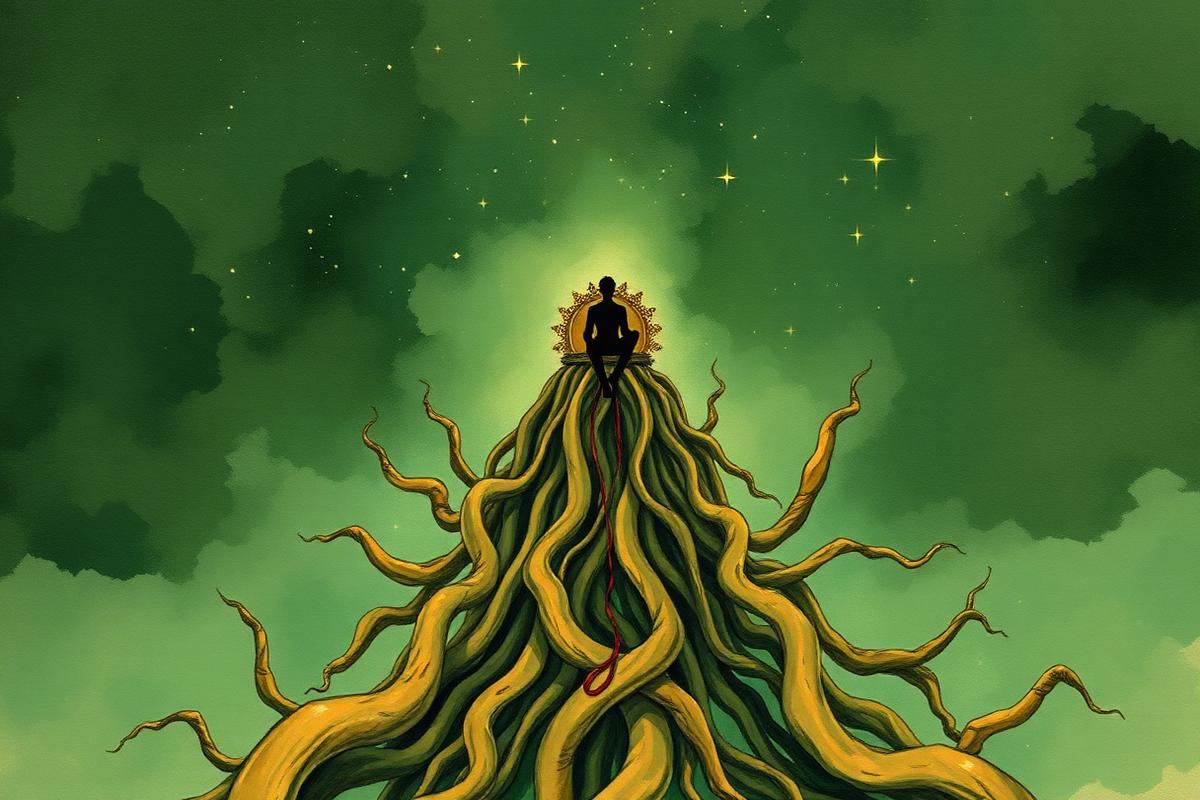
The Ego, Power, and Spiritual Inflation Game occurs when an expanded experience is converted into personal rank, authority, mission, or exceptional identity before it has been grounded in discipline, service, ethics, and ordinary life. It can appear as becoming a guru, healer, shaman, savior, prophet, or fully transformed person shortly after ceremony.
Ayahuasca can open states of consciousness that feel more real than ordinary identity. A person may encounter unity, ancestral imagery, spiritual intelligence, healing, death, unconditional love, or a sense of profound vocation. It is natural to ask what these experiences mean and how they should be lived.
The danger begins when the answer becomes identity before it becomes responsibility.
The guru game appears when someone begins positioning themselves as a guide before developing the capacity to hold the consequences of guiding. They offer unsolicited interpretations, make universal claims from personal visions, diagnose other participants, or begin facilitating because they feel called.
Some of what they say may be wise.
That is why the game can be difficult to recognize.
Spiritual inflation does not necessarily mean that the original experience was false. A person may have touched something genuine. The distortion occurs when contact with something greater becomes evidence of personal greatness.
Research on spiritual superiority has found that spiritual training can become another domain of self-enhancement. Practices intended to soften egoic attachment may instead support a sense of being more conscious, intuitive, spiritually advanced, or morally developed than others.
The ego does not disappear because we have experienced ego dissolution.
It can return wearing ceremonial clothing.
It can speak more softly.
It can use words such as vibration, alignment, service, medicine, and awakening.
I once heard someone say they did not want to be around another participant because that person had a low frequency. We all experience resonance and non-resonance. Some people behave in ways that are unhealthy or unsafe for us. But when spiritual language allows us to place ourselves above another human being, something needs examination.
“Low frequency” can become a socially acceptable way of saying, “I am superior to you. I do not need to understand you. Your pain contaminates me.”
Spiritual language can conceal ordinary contempt.
And contempt is not enlightenment.
The savior version of this game looks more loving. Someone begins monitoring other participants, hugging people without being asked, carrying everyone’s emotional process, or making themselves indispensable to the group. Their attention moves continuously outward.
Helping can be a form of avoidance.
If I focus on your pain, I do not need to feel mine. If you need me, I do not have to confront who I am when I am not useful. If I can rescue you, I can avoid the grief that I could not rescue the people I loved as a child.
The savior is often carrying responsibilities that were never theirs.
Service is sacred.
Compulsion is not service.
True service respects consent and does not require another person to remain dependent.
Then there is the “I am fully healed” game. I have had ceremonies where I genuinely believed my life had changed forever. The peace was complete, the old pattern felt absent, and everything made sense. Then I returned to ordinary life, and the trigger came back.
At first, the return of the pattern felt like failure. I did not yet understand the distinction between experiencing a state and developing a capacity.
Ceremony may show you a nervous system without anxiety.
It may reveal what forgiveness feels like.
It may let you experience unity, safety, or self-love.
That matters. The body receives a reference point for what is possible.
But a reference point is not yet a stable trait.
The experience shows a possibility. Integration asks whether you can cultivate access to it when you are tired, criticized, disappointed, financially stressed, or confronted by an old relationship.
The radical reinvention version of the game appears when someone wants to change everything immediately. They may feel called to leave a relationship, quit a job, move country, give away possessions, start a retreat center, or abandon an established identity.
Some of these changes may eventually be correct.
Ayahuasca can illuminate what has been denied for years.
But intensity is not the same as discernment.
Research is beginning to examine major life changes after psychedelic use, including changes in careers, relationships, identity, beliefs, and lifestyle. There is no universally established scientific waiting period, but psychedelic communities and clinical settings often advise allowing several weeks before irreversible decisions, partly because acute feelings of insight and openness may coexist with increased suggestibility or inaccurate certainty.
If something is true, it can usually survive a period of grounding.
And if something must end, how it ends matters.
How you leave is how you arrive.
If you leave through blame, spiritual superiority, impulsivity, and refusal of responsibility, those patterns travel with you. Completion matters. Repair matters. Financial and legal realities matter. Children, partners, colleagues, and communities have nervous systems too.
A new life built through unconscious destruction carries the architecture of the old one.
The “I am becoming a shaman” game requires particular humility. Some people are genuinely called into long traditions of medicine work. That path deserves respect. But becoming a shaman is not a personal branding decision or an identity adopted because a ceremony made someone feel powerful.
The work carries cultural, relational, spiritual, and ethical responsibilities that extend far beyond the self.
If you feel called, begin with service.
Clean the room.
Carry water.
Support the kitchen.
Learn the songs properly.
Sit near the door.
Learn to remain grounded when nobody admires you.
Serve before placing a crown on your soul.
Integration requires delaying identity claims long enough for reality to test them. Instead of saying, “I have been chosen to heal others,” you might say, “I experienced a call toward service, and I am allowing time to understand what responsibility that creates.”
Ask people who knew you before the ceremony whether your transformation is visible in relationship. Are you easier to disagree with? Do you listen better? Do you take responsibility more quickly? Are your boundaries clearer? Do you repair harm? Are you more reliable?
Transformation that exists only around people who share your spiritual worldview is not yet fully embodied.
Practise service without visibility. Do useful work that nobody will praise. Create ethical and practical structure before offering yourself as an authority. Seek mentorship from people who are willing to challenge you, not only admire you.
Most importantly, watch how you respond to correction.
Anyone can appear humble while being praised.
Humility becomes visible when someone questions your interpretation, your behavior, or your authority.
Do you become curious?
Do you retaliate?
Do you diagnose the critic?
Do you call them unconscious or low frequency?
Do you gather allies?
Correction reveals where the crown is attached.
A genuine encounter with mystery should increase responsibility, not personal importance.
The deepest question is not:
What power was I given?
It is:
What discipline, humility, and ethical obligation does this experience now require?
Chapter 04
The Projection and Comparison Game

The Projection and Comparison Game occurs when we place disowned emotions, qualities, fears, desires, power, or shadow material onto other people, and then use those perceptions to establish blame, superiority, inferiority, or certainty. It includes mind-reading, idealization, demonization, comparison, and the belief that our emotional reaction gives us direct access to another person’s intentions.
Projection was one of the hardest games for me to recognize because it did not feel like projection.
It felt like reality.
I believed I could see clearly who was good, bad, aligned, blocked, arrogant, unsafe, or spiritually developed. My judgments felt justified. I thought I had a clean mirror.
That is what makes projection powerful.
It rarely introduces itself as projection.
It arrives as certainty.
You enter an integration circle and know that someone dislikes you. You feel that the facilitator is disappointed in you. You conclude that another participant is jealous, controlling, or spiritually unsafe. You interpret a look, silence, tone of voice, seating choice, or delayed message.
The mind dislikes missing information. It fills in the gap.
Then the emotional response created by the story becomes proof that the story is true.
“I feel rejected, therefore they are rejecting me.”
“I feel unsafe, therefore they are dangerous.”
“I feel inferior, therefore they believe they are superior.”
Some of these interpretations may eventually prove accurate. The problem is not intuition. The problem is certainty without verification.
Psychedelic states can intensify the feeling of knowing. Researchers have proposed that the same loosening of established beliefs that allows new perspectives may also make false insights and inaccurate conclusions feel unusually convincing.
The feeling of truth is information.
It tells you the experience was powerful.
It does not prove that every conclusion was factually correct.
The body also carries both perception and history. A tightening in your stomach may indicate present danger. It may also indicate that the current person resembles someone who hurt you. Expansion may indicate alignment. It may also reflect attraction, familiarity, relief, or fantasy.
The body is a source of sacred information.
It is not an infallible courtroom.
Projection is not only negative. Idealization is also projection.
We project power onto the shaman, unconditional love onto a mother figure, wisdom onto a teacher, and brilliance onto someone whose work reflects our own unlived potential. The other person becomes larger than human because they are carrying something we have not yet reclaimed.
This is why idealization can reverse so quickly. The perfect teacher becomes a fraud. The sacred community becomes entirely corrupt. The soulmate becomes a villain. When complexity is difficult to tolerate, the psyche moves between total goodness and total danger.
In one integration circle, I asked participants to choose someone they felt strongly drawn toward or repelled by. They wrote down everything they saw in that person: the shadow, the blockages, the beauty, the power, and the light.
Then I asked them to remove the person’s name and read the description back to themselves.
For many, it became one of the most precise descriptions of their own inner world they had ever written.
Both their shadow and their light had been placed onto someone else.
You may resent another person’s visibility because your own visibility terrifies you. You may worship a shaman’s power because you have not yet developed your own authority. You may despise someone’s selfishness because you have forbidden yourself from having needs. You may be obsessed with another person’s arrogance because you are afraid of your own gifts.
Every intense judgment may contain information about the other person.
It may also contain medicine for you.
Comparison is projection converted into rank. We measure ceremonies, purges, visions, silence, experience, teachers, and perceived spiritual development. We decide who is deeper, more healed, less evolved, more authentic, or more connected to the medicine.
Comparison almost always leads toward superiority or inferiority.
Both positions create separation.
Superiority says, “I am more valuable because of what I have experienced.”
Inferiority says, “You possess something that makes my experience less valuable.”
Neither position permits direct contact.
I once worked with someone who described judging herself and others constantly, perhaps a thousand times a day. Judgment had become an addiction. After months of work, something shifted. She stood naked in front of a mirror, expecting to recover the familiar attack on her body, and discovered that the judgment was no longer available in the same way.
The critical part had not been defeated.
It had been understood so deeply that it no longer needed to dominate.
That is integration.
Not forcing the pattern to disappear, but creating enough consciousness that it is no longer the only voice in the room.
Projection work is sometimes misused to imply that everything is your fault. This is another distortion.
Every adult relationship has two sides of the road.
Your abandonment wound may intensify your reaction, and the other person may still be withdrawing without communication. You may project authority onto a facilitator, and the facilitator may still misuse power. You may have a history of distrust, and someone may still be lying.
“What is mine here?” must never become “Everything is mine.”
Internal responsibility and external accountability belong together.
The first integration practice is to separate observation from interpretation. Ask what happened that a camera could record. Then identify the meaning you added, the emotion that arose, and the need or boundary underneath it.
“They did not answer for two days” is an observation.
“They are punishing me because they are threatened by my growth” is an interpretation.
The interpretation may be correct, but it has not yet been verified.
Next, ask when you have felt this before and what you usually do when the feeling appears. Do you attack, withdraw, become impressive, freeze, appease, or recruit allies? The present event may be activating an entire relational sequence.
Generate several possible explanations before acting. This does not mean suppressing intuition. It prevents intuition from becoming prosecution.
Then verify directly, using language that owns your experience. “When you looked away, I noticed I interpreted it as disinterest. Can I ask what was happening for you?” This creates contact.
“Why are you threatened by me?” is not inquiry. It is a conviction disguised as a question.
Finally, turn the projection inward without erasing the external situation. Ask where the judged quality exists in you, where you fear it exists, or where you secretly wish you had access to it. Reclaim the light as seriously as the shadow.
After the inquiry, decide what action is required. Projection work does not prohibit boundaries. You may still need to communicate, request repair, create distance, or leave a relationship.
Self-reflection without boundaries becomes self-betrayal.
Boundaries without self-reflection can become repetition.
The two central questions are:
What is my side of the road?
What is not mine to carry?
Chapter 05
The Belonging and Isolation Game
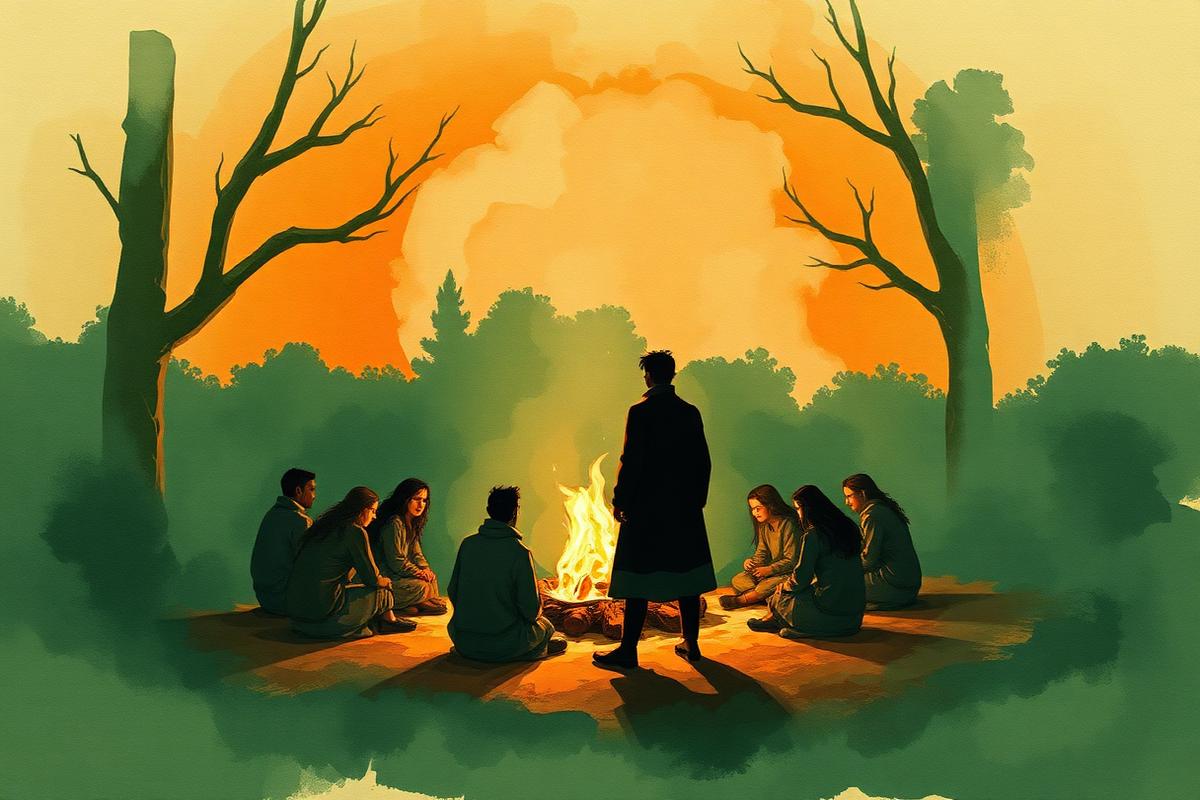
The Belonging and Isolation Game occurs when fear of rejection leads us to withdraw, become unavailable, perform a role, or decide that we do not belong before genuine contact has been allowed to develop. The person may isolate, under-share, avoid eye contact, remain emotionally distant, or adopt a spiritual persona that guarantees a recognizable position in the group.
This is one of the games I know most intimately.
You arrive at a retreat and look around. These people are not for me. They look too different. The energy feels wrong. The shamans are not what I expected. Nobody here will understand me.
Then you withdraw.
You eat alone.
You avoid eye contact.
You remain outside the group.
You share very little.
You tell yourself you are protecting your energy.
Sometimes this perception is accurate. Not every community is healthy, and not every group is right for every person. But sometimes “I do not belong here” is an old survival story finding a new room.
Belonging is not a superficial preference. Human beings are deeply organized around social safety and social threat. Rejection, exclusion, and uncertainty about relational value can activate powerful emotional and physiological responses.
The ceremony group can activate every earlier group.
The family that rejected your reality.
The school where you were humiliated.
The religious community that condemned your identity.
The friendship circle that excluded you.
The culture that taught you that you were too sensitive, too emotional, too gay, too loud, too strange, or not enough.
You enter a circle of strangers, and the body asks:
Will it happen again?
The belonging game often creates a closed loop. You believe nobody likes you, so you become guarded and unavailable. Other people sense the distance and give you space. Their space becomes proof that they dislike you.
The mind notices the rejection.
It does not notice how the protection helped produce the distance.
This is not blame. It is agency.
When you can see how the protective behavior shapes the response, another choice becomes available.
Under-sharing can be as influential as oversharing. A person may say almost nothing, reveal nothing, and remain emotionally inaccessible. The group begins orienting around them. Are they safe? Are they angry? Should someone approach them? Silence may unconsciously make the person central while allowing them to avoid the risk of direct participation.
This does not mean every quiet participant is playing a game. Silence may be appropriate, sacred, or necessary. The relevant question is whether silence is increasing contact with the self or maintaining distance from everyone else.
Belonging can also be managed through identity performance. The wise one, the rebel, the healer, the trickster, the wounded one, the strong one, the person who needs nothing. Clothing, language, gestures, and spiritual roles create a recognizable position in the tribe.
The role may support genuine expression.
It may also prevent the group from meeting the human being underneath it.
A spiritual outfit is not the problem. The question is whether the identity gives form to something authentic or protects you from the uncertainty of being ordinary and unknown.
The deeper spiritual principle is that belonging does not require sameness.
You do not belong because everyone understands you, agrees with you, or reflects your preferred identity. Mature belonging means remaining connected to yourself while meeting people who are different.
Otherwise belonging becomes compliance.
You alter your shape to receive acceptance, then remain lonely because the self being accepted is not fully you.
The first movement of belonging is therefore inward. Before asking whether the group accepts you, ask whether you remain in contact with yourself when entering the group. Can you feel your body, your boundaries, your preferences, and your uncertainty without immediately constructing a role?
A helpful practice is to name the prediction operating underneath withdrawal. Complete the sentence: “If I let these people see me, I predict that they will…” The answer may involve judgment, abandonment, ridicule, punishment, or exposure.
Do not immediately argue with the prediction.
Recognize its origin.
Then take one manageable relational risk. Make eye contact. Sit with the group for one meal. Share one honest sentence. Tell the facilitator, “A part of me wants to disappear.” The nervous system does not need a dramatic leap. It needs a new piece of evidence.
It is also important to separate belonging from preference. You do not need to like everyone. You do not have to force intimacy or pretend resonance. Belonging means that difference does not automatically require dehumanization, withdrawal, or self-erasure.
Allow warmth to register when it is offered. The isolated part may reject contact before contact has a chance to reject it. You do not have to trust immediately. Simply notice whether support is present and whether part of you is unable to receive it.
Ceremony can create rapid feelings of intimacy, but lasting belonging is built through ordinary reliability. Arriving when you said you would. Remembering another person’s life. Repairing conflict. Giving and receiving support. Staying in contact when nothing dramatic is happening.
The real test of community is not how connected everyone feels at three in the morning.
It is how people behave six weeks later when somebody is disappointed.
Facilitators should invite participation without demanding disclosure. Inclusion is not intrusion. A safe circle does not require everyone to reveal their deepest trauma. It creates clear opportunities for contact while preserving autonomy.
The integration questions are:
Am I genuinely protecting myself, or rejecting the group before it can reject me?
Can I belong without performing?
Can I remain connected to myself without demanding that everyone become the same as me?
Chapter 06
The Pleasure and Distraction Game
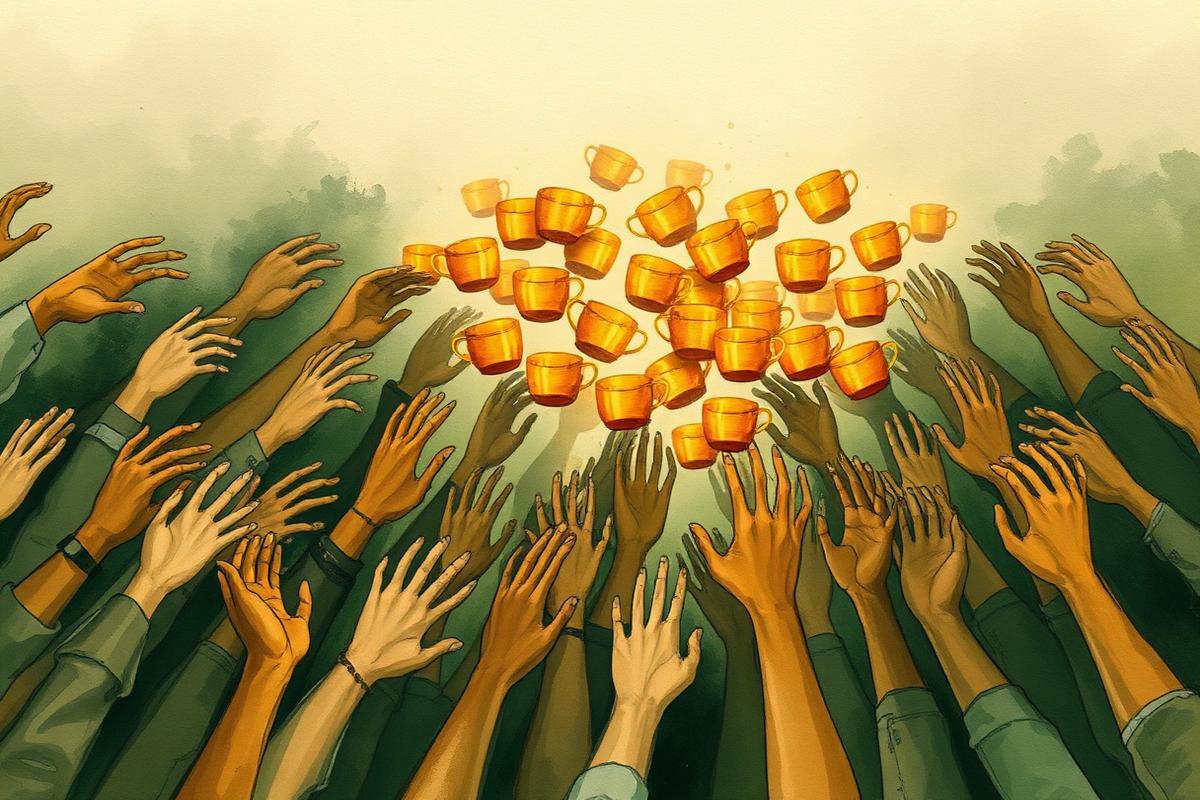
The Pleasure and Distraction Game occurs when humor, stimulation, sexuality, play, activity, or lightness is used to interrupt contact with difficult emotion, vulnerability, silence, or responsibility. The problem is not pleasure itself. The game begins when pleasure becomes compulsory and repeatedly appears at the exact point where deeper contact is becoming possible.
Not every healing process needs to be serious.
Laughter can be medicine.
Pleasure can restore the body.
Dance can release control.
Sexual energy can reconnect us with vitality.
Play can bring back parts of the self that were forced to become adult too early.
But every medicine can become an escape.
The pleasure game may appear as constant joking, flirtation, sexualization, hyperactivity, exaggerated playfulness, or the inability to remain still when the room becomes emotionally serious.
At one retreat, a participant repeatedly disrupted the circle through loud bodily humor whenever the shaman or another participant spoke. She laughed, the group lost focus, and vulnerability was repeatedly punctured. The behavior could easily have been treated as simple disrespect.
Instead, I asked another professional to hold the group while I spoke with her privately. I confronted the impact clearly, but the purpose was not humiliation. A deeper process emerged. When she returned, she was more connected to herself and the group could relate to the person underneath the disruptive role.
This example matters because compassion does not mean leaving every behavior without boundaries.
There may be medicine inside the pattern.
The behavior can still be harmful.
Good facilitation protects both truths.
I know the clown role in myself. When things become too serious, humor can create immediate safety. It releases tension, shifts attention, and prevents other people from remaining with what I have said. I can describe something painful and then smile before the emotion has fully entered the room.
Humor is not the enemy.
The question is whether it completes the emotion or interrupts it.
Sometimes an entire ceremony begins laughing, and the laughter opens the field. It releases fear, creates connection, and brings everyone into the body. At other times, laughter feels restless and demanding. It cannot tolerate silence afterward. It pressures everyone else to participate.
With experience, you begin to sense the difference.
Does the laughter increase contact or reduce it?
Does the room feel more connected afterward or less safe?
Sexual energy requires particular care. Ayahuasca can intensify feelings of openness, intimacy, embodiment, love, and spiritual connection. None of these states remove the need for explicit consent.
A feeling of cosmic recognition is not consent.
A shared vision is not a relationship agreement.
Energetic attraction is not permission to touch.
The authority of a facilitator makes boundaries more important, not less important. Ethical reviews of psychedelic practice repeatedly identify power imbalance, suggestibility, touch, sexuality, and boundary management as areas requiring rigorous safeguards.
The pleasure game can use spiritual language to dissolve restraint. “We are beyond shame,” “This is liberation,” or “The energy wants to move” may conceal an inability to tolerate frustration, loneliness, or limits.
Freedom without responsibility becomes appetite.
Sacred sexuality remains relational. It cares about impact. It can tolerate no. It does not use altered states to bypass clarity.
The same game continues after ceremony through constant stimulation. The person fills every hour with conversation, social media, sex, food, work, music, spiritual events, or another altered-state experience. Silence feels empty because it allows unfinished material to return.
A simple integration practice is to notice what happens immediately before the joke, flirtation, or impulse toward stimulation. What emotion was entering the body? Was there grief in the throat, shame in the chest, or fear in the stomach?
Do not suppress the joke. Pause long enough to recognize what it protects.
When laughter comes, allow it to complete itself, then remain present during the silence that follows. Another emotion may be waiting underneath it.
Sexual energy can first be allowed to belong to your own body. Breathe, move, create, rest, write, or walk before directing the energy toward another person. This is not repression. It restores choice.
After ceremony, experiment with periods of reduced stimulation. Notice what becomes audible when you stop filling the space. The objective is not ascetic purity. It is discovering whether pleasure is something you consciously receive or something you require in order not to feel.
Facilitators must protect lightness without allowing repeated disruption to dismantle the container. Name the behavior, describe its impact, set a boundary, and then become curious about what the pattern is protecting. Public humiliation rarely creates integration. Clear containment often does.
The central question is:
Does this pleasure bring me into deeper relationship with life, or does it help me leave the moment before life becomes vulnerable?
Chapter 07
The Sabotage and Boundary-Testing Game

The Sabotage and Boundary-Testing Game occurs when a person disrupts agreements, challenges structures, provokes authority, disappears, or repeatedly tests limits in order to regain control, confirm old expectations, or recreate a familiar relational environment. It carries more charge than ordinary avoidance because the escape is organized through rebellion, disruption, or conflict.
This game may appear as repeatedly arriving late, ignoring instructions, touching objects that have been identified as off-limits, leaving the space dramatically, challenging every exercise, or pulling facilitator attention away from the group.
It is important to distinguish this from a participant exercising their legitimate right to leave, question authority, or refuse an intervention.
Stepping out because you feel unsafe is not sabotage.
Questioning an unethical facilitator is not resistance.
Refusing touch is not boundary testing.
The game appears when the pattern is repetitive, charged, and organized around provoking or destabilizing the structure rather than communicating a clear need.
If you grew up in chaos, calm may feel unfamiliar. A stable container can create anxiety because the nervous system does not know what will happen next. Through disruption, the person may recreate the conditions they understand.
Chaos is painful.
But familiar pain can feel safer than unfamiliar peace.
The person creates conflict, breaks the agreement, or forces the authority figure to respond. Now the environment makes sense again. They know how to survive punishment, rejection, or confrontation. They may not know how to receive steady structure without testing whether it will eventually become dangerous.
I once experienced a strong impulse in ceremony to break a glass on a table. It was not primarily a wish to destroy something. As a child, making a mistake could lead to severe punishment. A younger part of me wanted to test the authority in the room.
Could I do something wrong and remain safe?
Could I make a mistake without being humiliated?
Could authority respond without violence or abandonment?
The impulse carried psychological intelligence.
That did not mean it needed to be enacted.
This is one of the most important distinctions in integration: an impulse can carry meaningful material without becoming an instruction.
Understanding the wound does not remove responsibility for impact.
Boundary testing can also be a struggle with autonomy. A person may have spent much of life submitting to controlling parents, institutions, partners, or spiritual authorities. Rebellion becomes the first experience of agency.
But rebellion against something is not the same as conscious action for something.
The person who automatically refuses every rule remains psychologically organized around authority. Obedience says, “I must do what you tell me.” Automatic defiance says, “I must do the opposite of what you tell me.”
Both are controlled by the external authority.
Autonomy includes the ability to disagree, consent, negotiate, leave, and also freely choose cooperation.
The group cost of sabotage must be acknowledged. When one participant repeatedly disappears, disrupts the ritual, or provokes confrontation, facilitators may spend most of their attention tracking that person. Other participants become anxious. The group field reorganizes around the disruption.
It is not enough to say, “This is their medicine.”
Twenty other nervous systems are also in the room.
Individual expression does not automatically outrank collective safety.
The spiritual distortion appears when boundary testing is described as following intuition, rejecting limitation, or refusing low-consciousness rules. A person who cannot tolerate any structure is not necessarily free. They may be governed by the need to prove that no one can contain them.
Spiritual maturity is not the absence of structure.
It is the capacity to choose structure consciously.
Integration begins by identifying what authority is expected to do. Complete the sentence: “When I break the agreement, I expect the authority figure to…” Punish me, abandon me, expose me, control me, rescue me, or prove that they are unsafe.
The next step is to reclaim autonomy through explicit choice rather than disruption. If an agreement no longer feels acceptable, communicate that directly. Ask for clarification. Negotiate. Decline. Leave if necessary.
A boundary communicated openly is different from a boundary enacted through chaos.
Repair is also central. After a rupture, the participant can be invited to examine both the protective intention and the impact. What were they trying to defend? What happened to the group? What needs acknowledgment, apology, or practical repair?
Accountability should not be confused with shame.
A person can understand why they disrupted the space and still take responsibility for doing so.
Facilitators need clear agreements, clear consequences, and the capacity to respond without public humiliation or retaliatory power. The goal is neither punishment nor endless accommodation. It is firm, compassionate containment.
Sometimes the most healing experience for the boundary-testing part is not being permitted to do anything it wants.
It is discovering that a boundary can remain firm without becoming cruel.
The central inquiry is:
Am I expressing autonomy, or recreating an old battle with authority?
What would it mean to choose rather than merely obey or rebel?
Chapter 08
The Magical, Cosmic, and Divine Game

The Magical, Cosmic, and Divine Game occurs when symbolic, mystical, or spiritual experiences are treated as literal certainty, unquestionable authority, or an escape from ordinary human responsibility. It includes divine confusion, the oracle game, “ayahuasca told me,” spiritual absolutism, and the belief that touching transcendence exempts us from the limitations of human life.
This is one of the most complex games because ayahuasca can produce spiritual experiences of extraordinary depth.
For some people, ceremony is the first encounter with a living spiritual reality. They may experience ancestors, spirits, divine intelligence, non-ordinary worlds, or a sense of being held by something greater than the personal mind.
Western psychological language often fails to honour the depth of these experiences.
Reductionism is not integration.
Calling every spiritual experience hallucination, fantasy, or pathology can be as limiting as treating every vision as objective revelation.
The difficulty is learning to respect spiritual meaning without surrendering discernment.
Divine confusion often appears after repeated ceremonies that have not been adequately integrated. A person carries dozens of messages, visions, potential paths, sacred identities, and cosmic responsibilities. Everything feels significant. Every choice appears spiritually loaded.
They become unable to choose ordinary work because it feels insufficiently sacred. They cannot market their service because selling feels impure. They struggle to date because every relationship must be a soul contract. They wait for perfect alignment while ordinary life becomes increasingly unmanageable.
The spiritual experience has expanded possibility, but the person has lost access to proportion.
They are suspended between human life and the realm they touched.
This is where the oracle game appears. The person begins treating ayahuasca as an external authority that makes decisions for them.
“Ayahuasca told me to leave my partner.”
“Ayahuasca told me this person is dangerous.”
“Ayahuasca told me I am meant to become a healer.”
“Ayahuasca told me I do not need treatment.”
There are moments when guidance can feel unmistakably clear. I do not want to erase that. A long relationship with ayahuasca may include experiences that carry profound intelligence and remain meaningful for decades.
But many thoughts that arise in ceremony are still thoughts.
We plan, worry, fantasize, remember, interpret, and create stories while under the effects of the medicine. The fact that a thought occurred during ceremony does not automatically make ayahuasca its author.
Psychedelics may increase openness to new beliefs and heighten suggestibility, particularly within emotionally charged ritual and interpersonal settings. Researchers have argued that these conditions can support meaningful belief revision, but also the transmission of ideas and the formation of inaccurate or excessively certain beliefs.
Research also indicates that psychedelic use may be associated with changes in metaphysical beliefs. This does not establish that the new beliefs are true or false. It demonstrates that worldview itself can become more flexible after these experiences.
A spiritually mature response is therefore neither blind belief nor automatic dismissal.
It is discernment.
An experience may be psychologically true without being literally factual.
A vision of death may represent transformation, grief, fear, identity change, or mortality. It is not automatically a prediction.
A vision of a person as dangerous may reveal a genuine relational concern. It may also represent fear, memory, projection, or symbolic material.
A message may carry medicine without functioning as a command.
One of the greatest dangers in this game is outsourcing responsibility. “Ayahuasca told me” can end inquiry. The medicine becomes responsible for the decision, and the person is relieved of uncertainty.
But the experience occurred through your body, nervous system, memories, expectations, culture, relationships, and interpretive mind.
You remain responsible for what you do with it.
The spiritual principle is that revelation requires incarnation.
What does this mean on Monday morning?
What changes in the way you speak, work, rest, relate, create, spend money, establish boundaries, and care for the body?
If an experience remains entirely in the cosmos, it may be meaningful, but it is not yet integrated.
We are not here to escape humanity.
We signed up for humanity.
Awakening does not remove contradiction, grief, fatigue, money, conflict, responsibility, or uncertainty. It may make us feel them more deeply.
Integration is not becoming less human.
It is allowing spiritual awareness to enter human life without demanding that human life become perfect.
A practical form of discernment is to treat major messages as hypotheses rather than commandments. Write down what you experienced, how you interpreted it, and what alternative meanings may exist.
Then use three filters.
The first is reality: what evidence supports the interpretation, and what evidence contradicts it?
The second is ethics: would acting on this message violate consent, manipulate another person, create unnecessary harm, or place you above accountability?
The third is time: does the message remain coherent after sleep, emotional regulation, sober reflection, and discussion with people who are not invested in the spiritual identity it creates?
Change the language from “Ayahuasca told me” to “I experienced a message that I currently understand as…” This does not diminish the sacredness of the experience. It restores responsibility for interpretation.
Ground the insight in the body and in ordinary action. If the message concerns service, begin serving in a modest and accountable way. If it concerns creativity, make the work. If it concerns a relationship, have a human conversation before constructing a cosmic story.
The deeper the revelation, the less urgency it should require to prove itself.
You do not need to solve the cosmos in one ceremony, one year, or one lifetime.
If the path is real, it will still be beneath your feet when the intensity fades.
The central question is:
What does this spiritual truth require of me here, today, in the life I am already living?
Responsibility is heavier than revelation.
As awareness expands, responsibility expands with it.
Chapter 09
The Missing-Piece and Endless-Search Game
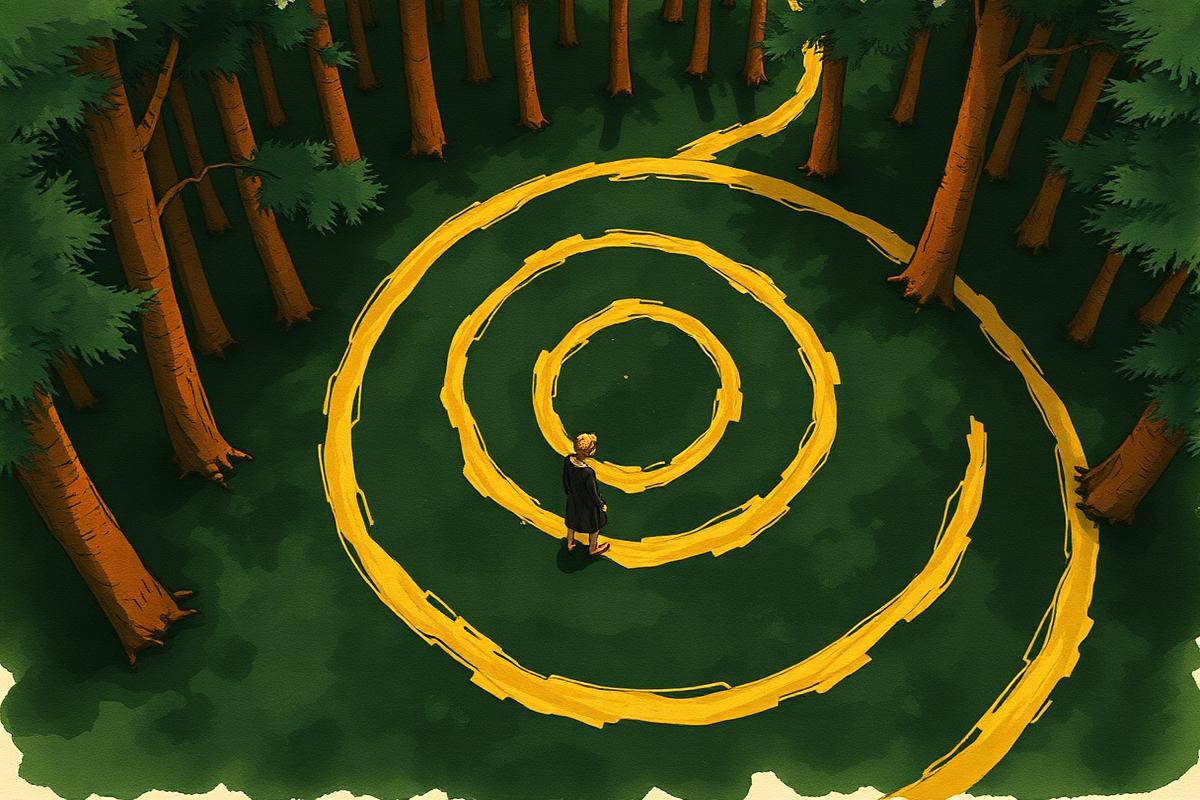
The Missing-Piece Game occurs when healing is organized around the belief that one final answer, ceremony, teacher, partner, purpose, method, or insight will complete the self and allow life to begin. The person remains in continuous search, not because every practice lacks value, but because searching protects them from inhabiting what is already present.
This is one of the most common patterns I see in integration work.
A person arrives with the sense that something is missing. They need to find the right purpose, recover the lost memory, meet the correct teacher, identify the final blockage, or receive the message that will make everything coherent.
The missing piece always appears to be close.
One more ceremony.
One more training.
One more book.
One more healing modality.
One more explanation.
Then life will begin.
The search can be sincere. The person may invest enormous intelligence, money, time, and devotion. Yet the search itself gradually becomes the identity.
They become fluent in transformation and inexperienced in completion.
This pattern often protects against shame and inadequacy. If the essential answer exists somewhere outside you, your unfinished life is not yet fully your responsibility. You are still gathering what you need.
Searching can also protect against grief. There may be no teaching that restores the childhood you did not receive. No ceremony can remove uncertainty from human life. No method can create permanent emotional regulation or eliminate every trigger.
The fantasy of the missing piece protects the hope of total completion.
It says, “When I find the correct method, I will never struggle in this way again.”
That promise is seductive because it postpones the encounter with limitation.
It also protects potential. An unfinished book can still be perfect. An unlived purpose can still be magnificent. A relationship that has not begun can still contain every fantasy. Completion allows reality to enter, and reality includes imperfection.
The missing-piece game therefore often appears beside procrastination. A person keeps studying their purpose because beginning the work would expose their actual capacity. They keep preparing to create because creation may be judged. They keep healing before dating because relationship would reveal the parts that private healing cannot reach.
Information can become a form of distance.
You can study boundaries without disappointing anyone.
You can learn about creativity without completing a piece of work.
You can understand trauma without inhabiting the body where it lives.
Research on psychedelic integration distinguishes between actively engaging with integration and experiencing a subjective sense that integration has occurred. This distinction is useful here. More reflection, insight, or spiritual input is not necessarily equivalent to greater behavioral engagement.
The spiritual distortion is the belief that wholeness means finishedness.
You can be whole and still developing.
You can be complete and still grieving.
You can be worthy and still confused.
You can possess everything necessary for the next step without possessing everything required for the entire path.
Sometimes trauma keeps us running long after we have crossed the finish line. The system is trained to scan for what remains wrong, unfinished, dangerous, or missing. It does not know how to stop and recognize what has already been received.
We may already have what we are praying for, but we have not learned to see, cultivate, or enjoy it.
A powerful integration practice is to pause the acquisition of new input for a defined period. This does not need to become another rigid spiritual rule. It is an experiment. For several weeks, do not add another ceremony, course, reading, or modality unless there is a clear clinical or practical need.
Notice what emerges when the search stops.
Restlessness may appear.
Fear of falling behind may appear.
Emptiness may appear.
These reactions are part of the material.
Choose one significant insight from your last ceremony and convert it into one observable experiment. “I need to respect my body” becomes a specific change in sleep, food, workload, movement, or medical care. “I need to trust my creativity” becomes a regular hour in which you make something before consuming more information.
An insight becomes integration when it enters behavior.
Another practice is to ask what completion would cost. Finishing the article permits criticism. Releasing the song ends the fantasy that it could be perfect. Establishing the boundary risks rejection. Choosing one path requires grieving the paths not taken.
Write the sentence:
“If I completed this, I would have to face…”
The missing piece may not be additional wisdom.
It may be the willingness to tolerate the exposure of completion.
Create an inventory of what is already alive. What capacities, relationships, resources, practices, and forms of support are already present? Where have you already changed? Which prayer has already been answered in a form you have not recognized?
This is not forced gratitude.
It is accurate perception.
Celebration is not a reward reserved for the end of healing. It is part of integration because attention strengthens what it repeatedly visits. If the mind only studies wounds, it may fail to recognize the self that has already become more honest, creative, relational, disciplined, or alive.
Depth often requires renouncing novelty.
To remain with one practice is to release the fantasy that another practice will save you more quickly.
To remain with one project is to let it become real.
To remain with one community is to encounter disappointment after idealization fades.
The central question is:
What would I have to do if I admitted that I already know enough for the next step?
You do not need the whole path.
You need the next honest movement.
Chapter 10
The Shame and Self-Criticism Game
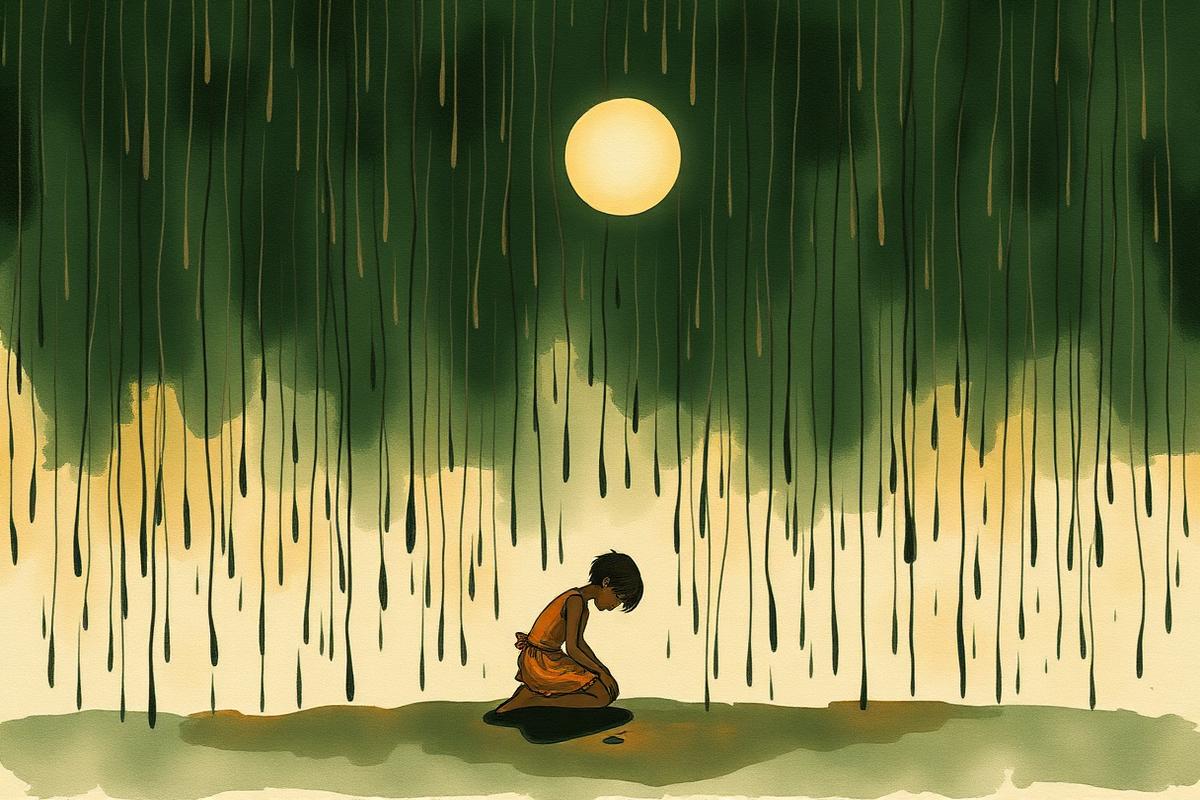
The Shame and Self-Criticism Game occurs when guilt, harsh internal language, comparison, punishment, and relentless self-monitoring are used to create control, prevent rejection, or force transformation. The person believes cruelty will make them responsible, disciplined, spiritual, safe, or worthy, even though the criticism often produces paralysis, hiding, and repeated emotional pain.
This game can sound like responsibility.
“I should have known better.”
“I ruined the ceremony.”
“I am not healing fast enough.”
“I am too damaged.”
“Everyone else is integrating better than me.”
“I wasted the opportunity.”
The mind may replay every interaction, feeling, mistake, and perceived failure. It seeks reassurance, then rejects the reassurance because punishment feels more trustworthy.
Psychology often distinguishes guilt from shame. Guilt tends to focus on behavior: “I did something wrong.” Shame globalizes the judgment: “I am wrong.” Guilt can support repair when it remains proportionate and connected to action. Shame often pushes toward hiding, defensiveness, collapse, or attack.
The self-critical part frequently believes it is protecting us.
If I attack myself first, nobody else can surprise me.
If I remain hypervigilant, I will not repeat the mistake.
If I punish myself enough, I may earn forgiveness.
If I expose every flaw, I can prevent abandonment.
For me, self-criticism created a sense of control. It felt as though I was paying for my unworthiness and managing myself before anyone else had to do it.
The strategy may have originated in an environment where mistakes were dangerous. A child learns that constant self-monitoring reduces the risk of punishment. They internalize the voice of the authority figure and continue the punishment from inside.
Later, self-attack can feel morally responsible.
Compassion feels suspicious, weak, or indulgent.
But cruelty is not accountability.
Accountability identifies what happened, recognizes impact, makes repair, and changes behavior.
Shame keeps the person trapped in the identity of being wrong.
A client once helped reveal the violence of this inner language through her relationship with her dog. I asked her to say to the dog the same words she repeatedly used against herself.
She could not do it.
The language sounded unbearable when directed toward a being she loved.
That moment exposed how normal the cruelty had become inside her own mind.
This is a useful practice. When the critical voice appears, ask whether you would speak that way to a child, friend, animal, or participant in your care. If the language would be abusive in any other relationship, calling it discipline does not make it healthy.
Research on self-compassion interventions suggests they can produce meaningful reductions in self-criticism. Compassion-focused approaches do not remove accountability. They attempt to create a form of internal safety in which mistakes can be examined without activating total self-rejection.
Shame also survives through secrecy. It grows in hidden mental rooms where nobody can hear how cruelly you speak to yourself. Bringing the thought into a safe relationship can weaken its authority.
This does not mean disclosing everything to everyone.
It means allowing a trusted therapist, facilitator, friend, or integration practitioner to witness the thought without confirming its verdict.
When shame says, “If anyone knew this, I would be rejected,” safe witnessing creates different evidence.
The body also needs attention. Shame is not only a belief. It may appear as collapsed posture, heat in the face, nausea, tension in the chest, avoidance of eye contact, or the desire to disappear.
Instead of arguing intellectually with shame, orient to the room. Feel the feet. Lift the eyes gradually. Notice that the present environment is not the original environment. Allow the body to receive evidence that exposure does not automatically produce annihilation.
Accountability can then be separated from punishment. Ask four questions:
What happened?
What impact did it have?
What responsibility belongs to me?
What repair or changed behavior is possible?
Once those questions have been answered, continued self-attack adds no moral value.
It may actually become another form of avoidance. If you remain absorbed in how terrible you are, you do not have to risk the humility of apologizing, repairing, and changing.
Shame can therefore become strangely self-centered. It keeps attention on the condemned self rather than on the person who was affected.
Repair moves the energy outward.
Self-punishment keeps it circling internally.
Comparison is another form of shame. You measure your visions, emotional release, progress, discipline, relationships, body, purpose, or spiritual development against other people. You imagine there is a correct timeline for healing and conclude that you have fallen behind.
But trauma is not a competition.
Neither is ceremony.
One person may cry for six hours. Another may remain silent. One may change quickly. Another may need years before the meaning becomes visible.
The depth of integration is not measured by spectacle or speed.
It is measured by honesty, responsibility, and the capacity to live differently.
The spiritual principle is not that every part of you needs to be fixed. There is a room inside you that is already worthy, already alive, and already whole. It may not demand attention because it does not scream, attack, or create emergencies.
Perhaps it is the part that listens deeply.
The part that creates.
The part that cares for animals.
The part that remains honest.
The part that still loves after everything.
Integration does not mean ignoring the wounded and protective parts. It means bringing attention to what is already functioning, already loving, and already true.
Attention gives life.
If you only look for pathology, you may repeatedly strengthen the identity of being broken.
If you also honour what is whole, wholeness becomes easier to inhabit.
The central questions are:
Can I take responsibility without abandoning myself?
What would accountability sound like if it did not use cruelty?
What is already alive in me that no longer needs to be fixed?
Closing
How to Work With a Game Without Creating Another Game
Recognizing these patterns can quickly become another form of superiority.
You begin identifying everyone else’s games.
You diagnose the oversharer, the guru, the avoidant participant, the person who claims ayahuasca speaks to them, and the facilitator who appears inflated.
You become proud of how psychologically aware you are.
That is another game.
Use this framework inwardly before using it outwardly.
When a pattern appears, begin with observable behavior. What actually happened? Remove the spiritual story, diagnosis, and moral judgment.
Then ask what the pattern is protecting. Fear, shame, uncertainty, loneliness, grief, powerlessness, rejection, or the possibility of being wrong?
Next, identify the legitimate need underneath it. Safety, recognition, autonomy, belonging, dignity, protection, rest, clarity, or support?
Finally, ask how that need could be met without repeating the same pattern.
A boundary instead of blame.
A direct request instead of mind-reading.
Private reflection instead of performance.
Discernment instead of obedience.
Incremental change instead of radical reinvention.
Service instead of spiritual status.
Accountability instead of self-punishment.
The purpose is not to eliminate every game.
The purpose is to recover choice.
Closing
When Integration Requires Clinical Support
Some post-ceremony difficulties are temporary and may improve through sleep, reduced stimulation, grounding, supportive relationships, and time.
Other experiences require qualified clinical assessment.
Persistent inability to sleep, severe agitation, paranoia, dangerous impulsivity, suicidal thinking, profound confusion, hallucinations that continue outside the expected acute period, or an inability to manage basic daily functioning should not be romanticized as awakening, purification, or spiritual initiation.
Large-scale survey research suggests that challenging psychological effects following ayahuasca are not uncommon, although they are often temporary and not generally severe. Case reports and qualitative research also document a smaller number of prolonged or serious psychiatric difficulties. These studies cannot establish precise risk for every individual, but they make clear that spiritual communities need referral pathways and must not interpret every crisis exclusively through spiritual language.
Clinical support does not invalidate the spiritual meaning of an experience.
Medication, psychiatric assessment, psychotherapy, sleep restoration, and spiritual integration are not necessarily opposites.
The human being deserves whatever forms of support protect life, dignity, and reality.

Epilogue
The Real Measure of Integration
Ayahuasca may show you unconditional love while you continue speaking cruelly to your partner.
It may show you unity while you continue dividing the world into awakened and unawakened people.
It may show you your purpose while you continue avoiding the discipline required to build it.
It may show you forgiveness while you continue refusing accountability.
It may show you that you are whole while you continue organizing your life around what is missing.
The intensity of the ceremony is not the final measure of transformation.
Look at your life.
Look at your body, work, boundaries, relationships, money, creativity, and willingness to repair harm.
Look at how you respond when you are misunderstood.
Look at whether you can remain human without needing to appear enlightened.
There is no point where all the games disappear.
The invitation is not to become a person who never avoids, performs, projects, compares, searches, or seeks control. That ambition would become another game.
The work is to recognize the movement earlier.
To understand what it protects.
To create enough internal and relational safety that another choice becomes possible.
The ceremony may open the door.
Integration is how you learn to walk through it without abandoning yourself, your humanity, or the people whose lives are touched by your choices.
Free e-book
The Games We Play After Ayahuasca
The full illustrated e-book — introduction, consent, all ten games, and closing chapters — beautifully typeset for slow reading, printing, or sharing with a circle.